Your great little garden guide for plants, projects and design
Latest from our blog
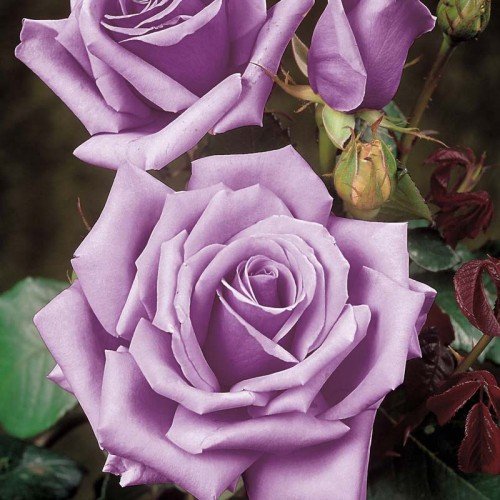
Long stem roses are widely considered to be the most popular roses for all occasions. What many people think of as classic long stem roses are in fact Hybrid Tea Roses. A mixture between the Hybrid Perpetual and Tea Rose from China, these long stem beauties have long pointy buds with up to 30-50 petals
Continue Reading
Even late spring can be deceptive. It often seems as though summer has arrived, yet in cold areas there can still be severe late frosts. Take local climate into account before planting any frost-tender plants outdoors. Even with experience it can be a gamble as an untypical season might produce surprises. Judging when frosts are
Continue Reading
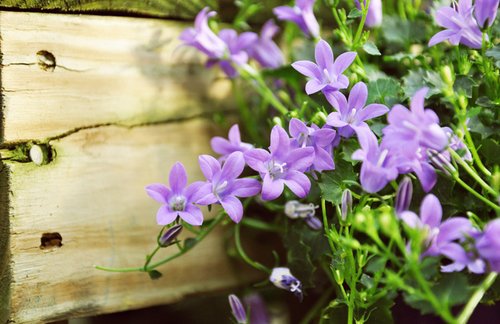
The Italian Bellflower is one of the best of all summer-flowering trailing plants. For generations it has been grown on windowsills and sideboards, its long grey-green stems tumbling down the side of the pot. During the summer these stems bear a profusion of small star-shaped flowers. The blooms are clustered at the tips of the
Continue Reading
In these spring months nothing is better than enjoying your garden and open air space – if you are lucky enough to have one – but to make the most of your pocket-handkerchief plot you need to roll up your sleeves and take care of your meadow, plants and flowers. Following some useful tips you
Continue Reading
Some people just seem to have a green thumb and a real knack for growing fresh herbs to make gourmet meals. Using herbs grown in a kitchen window can enhance any meal. Most people think that methods to grow an herb garden are complicated but in truth, they are quite easy. The great thing is
Continue Reading
Fuchsias occur in a wide range of colours, shapes and sizes. There are hundreds of named varieties of F. hybrida, with the familiar bell-shaped flowers hanging from the stems. These blooms may be single, semi-double or double, with colour combinations of white, pink, red or purple. A collection of these hybrids can provide blooms from
Continue Reading
Purple Coneflower (Echinacea purpurea) is important perennial medicinal herb and native to North America, where the dried, powdered root was used by the Plains Indians as an antibiotic to cure rabies, snakebite and septicaemia. Purple Coneflower has traditionally been used to treat or prevent colds, flu, and other infections. Today it is used in homeopathic
Continue Reading
Almost everyone loves grapes. These delicious low-calories fruit is small round berry that grows in clusters on a perennial and deciduous woody vine of the Vitis genus. Though the grapes are today cultivated all over the world, but they initially belonged to Mediterranean and European regions. These semi-translucent fleshed grapes are encased by a smooth
Continue Reading
Spider mites may be having negative effects on your outdoor vegetable garden. Very small and likely to go unnoticed, these critters are not beneficial to your plant life. A spider mite may kill an entire plant if left to its own devices even a plant as sturdy as the dieffenbachia may be at risk, so
Continue Reading
Summer flowers and bedding plants are a great way to instantly add color to your lawn. Summer flowers start appearing in garden centers in the early spring, but you should be careful to plant only after the danger of freezing weather has passed. Summer flowers produce the best results when purchased ready to plant rather
Continue Reading
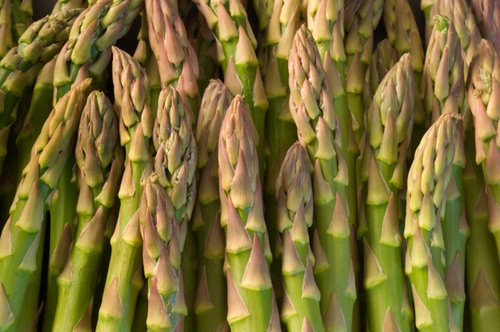
Asparagus is a hardy perennial plant. It rises to the height of five feet and up, with a vertical, branching stem, short slender tube like leaves, and greenish sagging flowers. The seeds, which are produced in spherical, scarlet berries, are black, somewhat triangular, and retain their germination powers four years. It is indigenous to the
Continue Reading
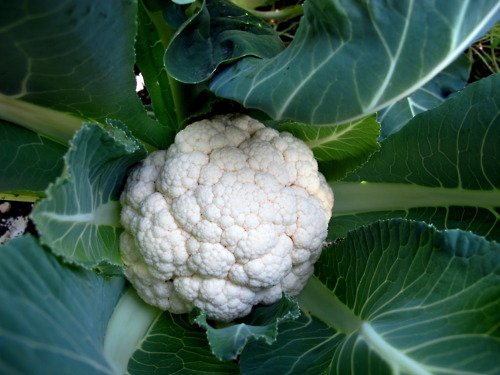
Cauliflower is a member of the cabbage family. The word “cauliflower” means “cabbage flower,” and centuries of cultivation were necessary to produce a tight head of clustered flower buds in place of the compact leaves of the cabbage head. Although there are thirty-five or more varieties of this vegetable, there are probably not more six
Continue Reading